Serving Redwood City, CA and surrounding areas. (650) 587-4237
A cracked or uneven concrete floor is a warning sign, not just an eyesore. We install new concrete floors with the ground prep and moisture protection that Bay Area soils demand.
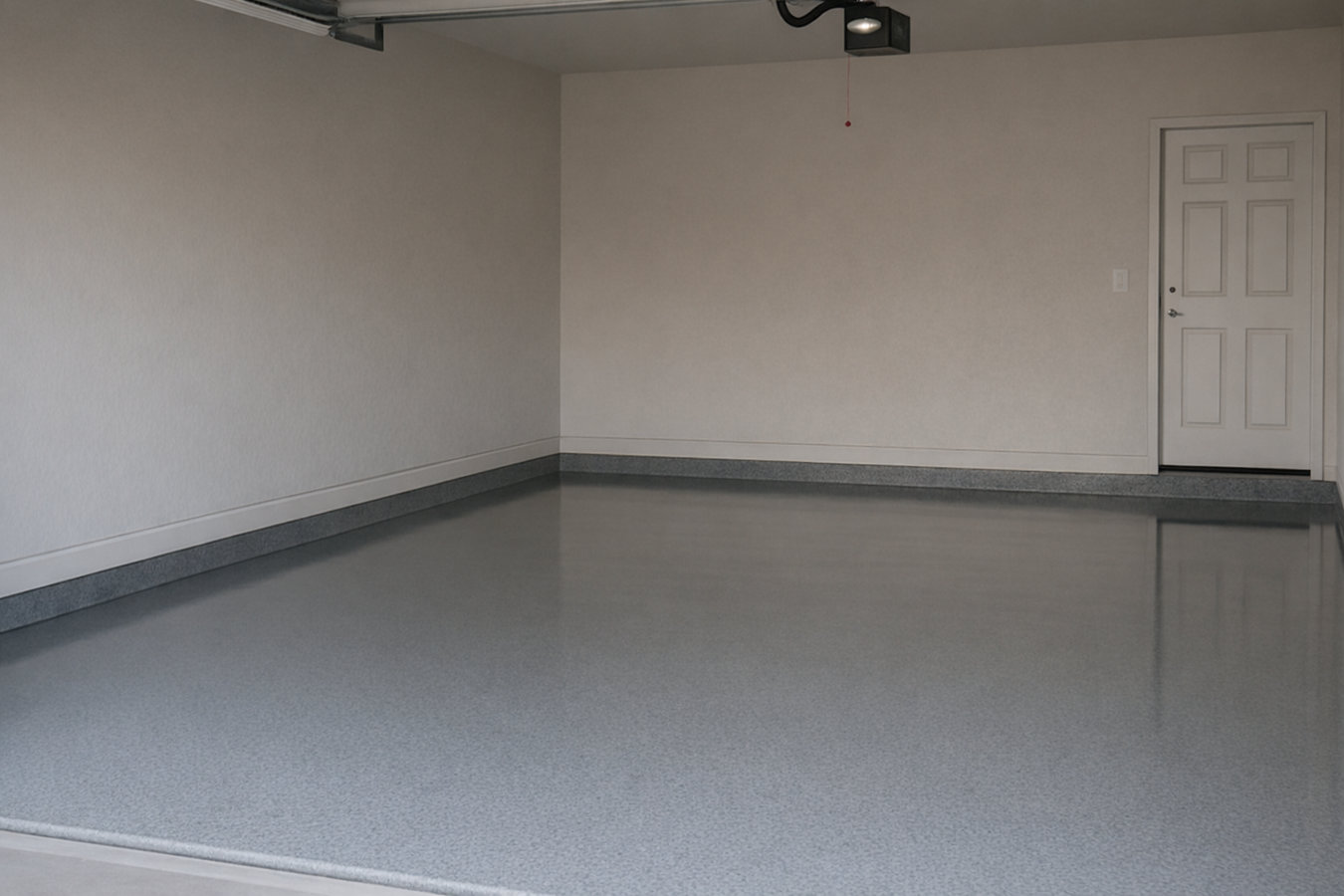
Concrete floor installation in Redwood City starts with preparing the ground - removing old material, grading the soil, laying a gravel base for drainage, and placing a moisture barrier before any concrete is poured. Most residential floor projects wrap up active work in one to three days, with a curing period afterward before full use.
A significant share of Redwood City homes were built between the 1940s and 1970s, and their original concrete floors have been through decades of clay soil movement, wet winters, and dry summers. When those floors crack, heave, or start showing moisture stains, it is usually not a surface problem - it is a ground preparation problem that only a proper replacement fixes. Patching a floor that has shifted on clay soil delays the same problem reappearing, often within a few years.
If you are working on a garage specifically, our garage floor concrete service covers the full replacement process tailored to that space, including drainage slope and the thickness decisions that depend on how you use the garage.
Hairline cracks are common and usually manageable, but cracks that are widening over time or have edges sitting at different heights mean the slab has shifted. In Redwood City, this is often caused by clay soil expanding in wet winters and pulling back in dry summers - a cycle that stresses the slab from below every year. Cracks you can fit a coin into are past the patching stage.
A floor that rocks, dips, or has areas where water pools after mopping is more than a cosmetic issue. Uneven floors create tripping hazards, damage appliances sitting on them, and signal that the ground beneath has settled unevenly. This is common in older Redwood City homes where the original slab was poured on uncompacted fill.
If the surface is peeling off in chips or leaving a fine gray dust on your shoes, the top layer has deteriorated - a condition called spalling. This happens when the original pour was finished too quickly, when moisture got into the slab before it cured, or simply from decades of wear. A floor in this condition cannot be fixed with cleaning alone.
White chalky deposits, dark stains, or a persistent damp smell are signs that water is moving up through the slab from the soil below. Given Redwood City's proximity to the Bay and its clay-heavy soils, groundwater pressure is a real factor in many neighborhoods. Left alone, this moisture damages stored items and can create conditions for mold growth.
Every floor installation we do starts with an honest assessment of what is under the existing surface. We check soil conditions, look for moisture issues, and confirm whether the existing slab needs to be removed or can be worked over. That information shapes the quote - there are no mid-project surprises about what we found after we started digging. From there, we handle demo and haul-away, subbase compaction, moisture barrier placement, the pour itself, surface finishing, and control joint cutting in a planned pattern that directs any future cracking to hidden spots.
For homeowners who want a decorative result, we can apply finishes after the base slab cures. Our garage floor concrete service goes deeper on slab thickness and drainage slope decisions specific to that space. For outdoor areas like patios and pool surrounds, our concrete pool decks service covers surfaces that need to handle sun, water, and foot traffic without cracking or becoming slippery.
Best for garage conversions, room additions, and basement finishes where there is no existing slab - poured to current thickness and moisture protection standards.
Suited to homeowners with cracked, heaved, or moisture-damaged floors that need a full tear-out and fresh start with proper subbase preparation.
For homeowners who want a clean, practical surface - a smooth troweled finish for utility spaces or a light broom texture that adds grip without requiring extra maintenance.
Ideal for homeowners converting a utilitarian space to something they actually want to look at - epoxy coatings, staining, and polished finishes applied after the base slab cures.
Much of Redwood City sits on Bay mud and clay-heavy soils that behave very differently from the ground in other parts of California. Clay absorbs water and swells in the wet months, then shrinks in the dry months - and that repeated movement is the main reason concrete floors in older Redwood City homes develop cracks and heaving over time. A new floor poured without addressing those soil conditions will face the same pressures the old one did. The Portland Cement Association outlines base preparation and moisture barrier standards that apply here, and we follow those practices on every project. The City of Redwood City also requires permits for most new slab installations, which means a city inspector reviews the work at key stages - protecting you and creating a clear record for future buyers.
Homeowners in San Mateo and Foster City face similar soil conditions and permit requirements, and we bring the same local preparation standards to projects throughout this part of the Peninsula. Scheduling concrete work between May and October gives you the best conditions in this climate - dry weather, moderate temperatures, and a straightforward cure with no weather delays to manage around.
We reply within one business day and schedule a free on-site visit before giving you any pricing. The visit lets us assess your existing floor condition, check for moisture issues, and confirm soil conditions - all of which affect what the project actually costs.
After the visit we provide a written price that includes subbase prep and moisture barrier work - not just the pour. If a permit is required, we file with the City of Redwood City on your behalf. Permit processing typically adds one to two weeks to the start timeline.
The crew handles demo and haul-away of the old floor, grades and compacts the soil, lays gravel base and the moisture barrier, then pours and finishes the concrete. The active pour day for a typical residential floor takes four to eight hours. The area needs to stay clear during this time.
Light foot traffic is possible after 24 to 48 hours. Keep vehicles and heavy items off the floor for at least a week. If a permit was pulled, we coordinate the city inspection. Once the floor is fully cured - around 28 days - a sealer can be applied to protect the surface long term.
We assess your existing slab in person before quoting, so the price you get is the price you pay. No surprises once work starts.
(650) 587-4237We look at your existing floor and soil conditions in person before giving you a price. Older Redwood City homes often have original slabs with old adhesives, uneven settling, or moisture issues that only show up on-site. Finding those things before we quote means the price you receive is what the job actually costs.
Many contractors skip the moisture barrier to lower the bid. We install it on every pour, because in neighborhoods closer to the Bay where groundwater pressure is real, skipping it leads to surface problems within a few years. You will see it in the written estimate - it is not a line item we leave out.
Unpermitted concrete work is one of the most common issues Redwood City homeowners discover when they go to sell. We handle the permit process with the City of Redwood City's Building Division from start to finish, so your project has a clean record. The California Contractors State License Board also lets you verify any contractor's license status in seconds - always worth checking before you hire.
We place control joints in a deliberate pattern based on the size of the slab and the soil conditions on your property. In Redwood City's clay soils, well-placed joints are what keep a new floor looking clean for years instead of developing random cracks from seasonal ground movement. It is a small detail that makes a big difference in how your floor ages.
Getting these details right from the start - the subbase, the moisture barrier, the permit, the control joints - is what separates a floor that holds up from one that starts cracking within a few years on Redwood City's expansive soils.
For outdoor surfaces around a pool that need to stay slip-resistant and hold up to sun, water, and foot traffic year-round.
Learn MoreGarage-specific slab replacement that accounts for vehicle loads, drainage slope toward the door, and finish options for the space.
Learn MoreSummer is the best season for concrete work here - book your project now before the dry-season calendar fills up.