Serving Redwood City, CA and surrounding areas. (650) 587-4237
Footings built for Redwood City's clay soils, seismic zone, and city permit process - the buried base your deck, ADU, or addition depends on from day one.
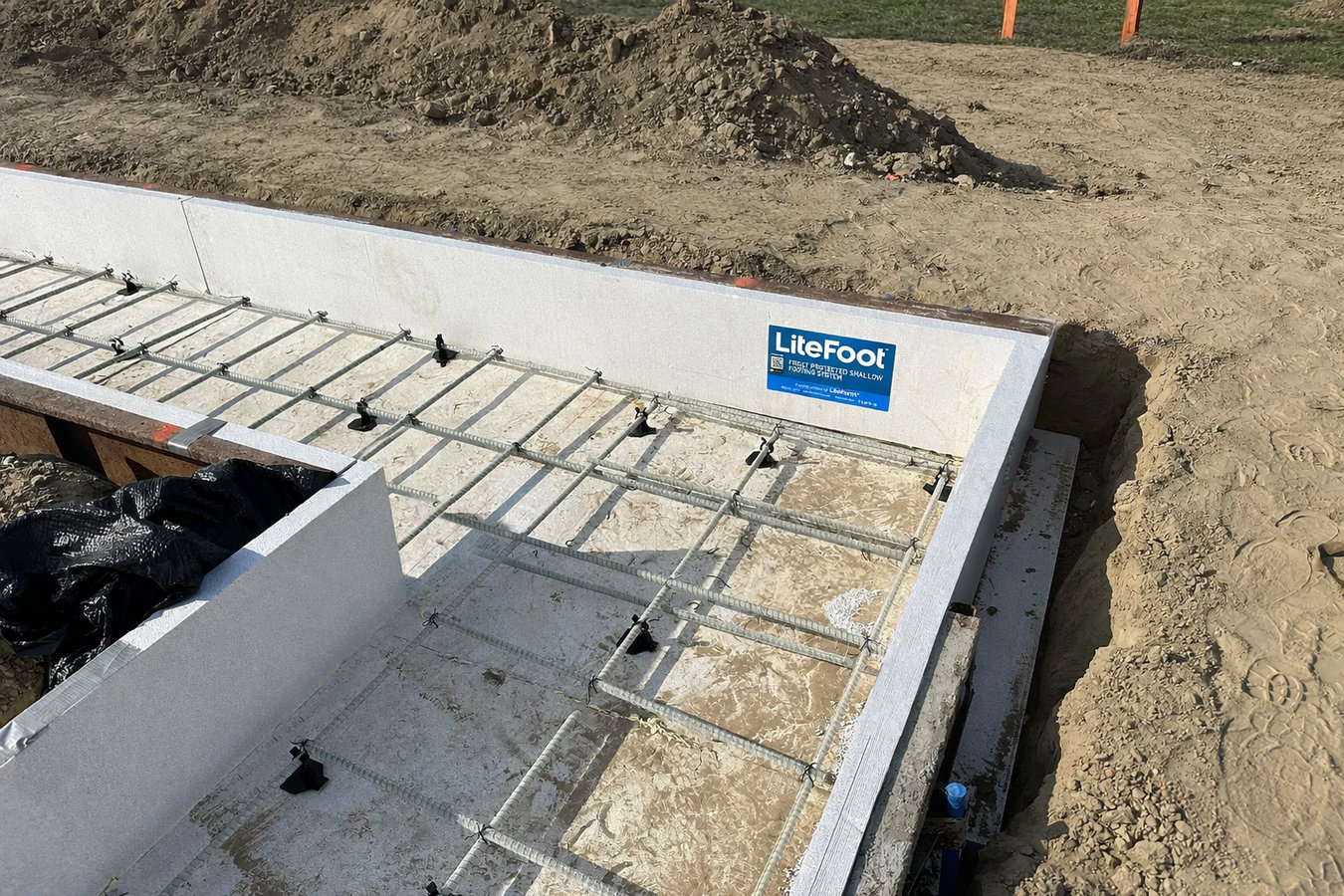
Concrete footings in Redwood City are the buried base structures that hold up decks, fences, room additions, and ADU foundations - the work involves excavating to stable soil, setting forms, placing steel reinforcement, and pouring concrete that cures in place, with most residential footing projects running one to two days of active work plus a permit and inspection process that adds one to three weeks to the full timeline.
Think of a footing like the roots of a tree - you never see it once the project is done, but everything above it depends on it being in the right place, at the right depth, and sized correctly for the load above. In Redwood City, where many neighborhoods have clay-heavy or fill soils that shift with seasonal moisture changes, getting the footing depth and reinforcement right is not a detail that can be skipped or rushed. A footing that works fine in a dry climate can start moving here within a few rainy seasons if it was not designed for local soil conditions.
Footing work is closely related to broader foundation projects. If your scope includes a full foundation for a new home or major addition, our foundation installation service covers the complete process from excavation through city inspection sign-off.
If a structure that used to be plumb and level is now noticeably tilted or pulling away from the house, the footing underneath it has likely shifted or failed. This is especially common in Redwood City neighborhoods with clay-heavy soils, where repeated wet and dry seasons cause the ground to expand and contract. A leaning structure is a safety issue that gets worse the longer it is left.
Any new structure attached to or built near your home in Redwood City will require concrete footings before framing can begin. If you are in the planning stage for a backyard ADU or a deck - both very common projects here - getting a footing assessment early helps you understand the full scope and cost before you are committed.
Diagonal cracks running from corners of door frames or windows are one of the clearest signs that part of your home's foundation or footing system has moved. In the Bay Area, this kind of movement is often triggered by seismic activity, soil shifting, or water intrusion - all of which are relevant in Redwood City. A concrete contractor can assess whether the movement is ongoing or historical.
Older fence posts in Redwood City - especially in neighborhoods with homes built in the 1950s through 1970s - were often set in undersized or improperly mixed concrete footings. If you can see the post wobbling, the concrete crumbling, or rust staining around a metal post, the footing has reached the end of its life. Replacing it properly now prevents the post from failing entirely.
Every footing project starts with a site visit. We assess soil conditions, check site access, review any plans or drawings you already have, and give you a written estimate before any work is scheduled. For permitted projects - which includes most footing work tied to a structure in Redwood City - we handle the permit application with the City of Redwood City's Building Division and coordinate the required pre-pour inspection. You do not need to manage that process or chase down paperwork; we stay on top of the permit status and let you know when the pour date can be confirmed.
Our footing work uses steel reinforcement as standard practice for all structural projects in this seismic zone - the American Concrete Institute provides the professional standards that guide proper concrete placement and reinforcement detailing. For property owners whose footing project is part of a broader scope that includes a full slab pour, our foundation installation service covers the complete foundation scope, including ADU foundations that require coordinated footing and slab work in a single permitted project.
Best for homeowners building a new deck, covered patio, or pergola - individual post footings sized and placed per permit drawings and inspected before the pour.
Suited to homeowners adding an accessory dwelling unit or room addition - full footing layout and pour for the new structure's foundation system, coordinated with the overall project timeline.
For fence posts that have wobbled free or sit in crumbling concrete - proper-depth replacement footings that outlast the original work, with the post secured before the concrete sets.
For homeowners building or replacing a concrete retaining wall - load-bearing footings sized for the wall height and soil conditions on your specific lot, with seismic reinforcement included.
Concrete footing work in Redwood City runs into two local factors that a contractor from outside the Peninsula may not account for. First, soil variability. Redwood City sits at the edge of San Francisco Bay, and soil conditions change from neighborhood to neighborhood - some areas have firm, stable ground while others have expansive clay or fill soils that shift significantly with seasonal moisture. The dry season here runs roughly from May through October, and those soils shrink as they dry; the winter rainy season brings swelling. A footing that is not deep enough or reinforced for that cycle can start moving within a few years. Soil conditions here also mean that a reputable contractor will always assess your specific lot before quoting - a standard depth that works on one block in Redwood City may not work two streets over.
Second, the Bay Area's seismic environment adds engineering requirements that affect how every footing is built. California requires reinforced concrete footings in this zone, and Redwood City's Building Division enforces that through its pre-pour inspection process. Property owners in San Carlos and Belmont face the same requirements for footing work, and our familiarity with Peninsula building departments means the permit and inspection process moves predictably rather than stalling on paperwork.
We schedule a free on-site visit to look at the project location, assess soil and access conditions, and review any plans or drawings you have. Footing quotes done over the phone are rarely accurate - we aim to respond to all inquiries within one business day and schedule site visits promptly.
For structural footing projects, we file the permit with Redwood City's Building Division in our name. Approval typically takes one to three weeks for a straightforward residential job. We track the permit status and notify you as soon as the pour date can be confirmed - no chasing paperwork on your end.
On the day of work, the crew marks footing locations, digs trenches or holes to the required depth, and sets wooden forms. Steel reinforcement goes in before the pour - standard on all Bay Area structural footing projects. This phase takes a few hours to a full day depending on the number of footings.
A city inspector reviews the excavation and forms before concrete goes in - this is your protection that the work meets approved plans. Once the inspection passes, concrete is poured, leveled, and finished. After the curing period, we schedule the final inspection and hand you a documented sign-off for your property records.
We visit your site, assess soil conditions, and give you a written estimate before any commitment. Permitted work with city inspection included - no shortcuts.
(650) 587-4237We file the permit application, coordinate the pre-pour inspection, and handle final sign-off with Redwood City's Building Division. You receive a documented inspection record when the work is complete - exactly what you want in your property file, especially in a real estate market where unpermitted work can stall a sale.
We do not quote a standard footing depth without seeing your site. Redwood City's soil conditions vary significantly by neighborhood, and the difference between stable ground and expansive clay affects how deep footings need to go. We assess your lot before quoting, so the depth in our estimate is the depth your project actually requires.
Bay Area seismic requirements mean steel reinforcement inside the concrete is not optional - it is required for structural footings in this zone. Every footing we pour includes properly placed rebar as a standard part of the scope, not an add-on that inflates the final invoice. California Geological Survey
ADU construction has surged across Redwood City in recent years, and footing work is one of the first things that needs to be right before framing begins. We have completed ADU footing projects across the city and understand how to coordinate the footing scope with the broader project timeline so framing does not stall waiting on concrete.
Getting the footing right is the one part of a deck, ADU, or addition project that you cannot easily fix once framing begins. That is why we treat the footing phase as the most important part of any structural project - not something to rush through to get to the visible work.
Lift and level an existing foundation that has settled unevenly - a next step when footing assessment reveals foundation movement has already occurred.
Learn MoreFull foundation scopes for new homes, major additions, and ADU construction - covers the complete process beyond individual footing work.
Learn MoreContractor calendars fill up fast during dry season - reach out now to get on the schedule and receive a written estimate before any work begins.