Serving Redwood City, CA and surrounding areas. (650) 587-4237
Get a concrete slab foundation built for Redwood City's clay soils, seismic zone, and permit process - so your new structure starts on solid ground.
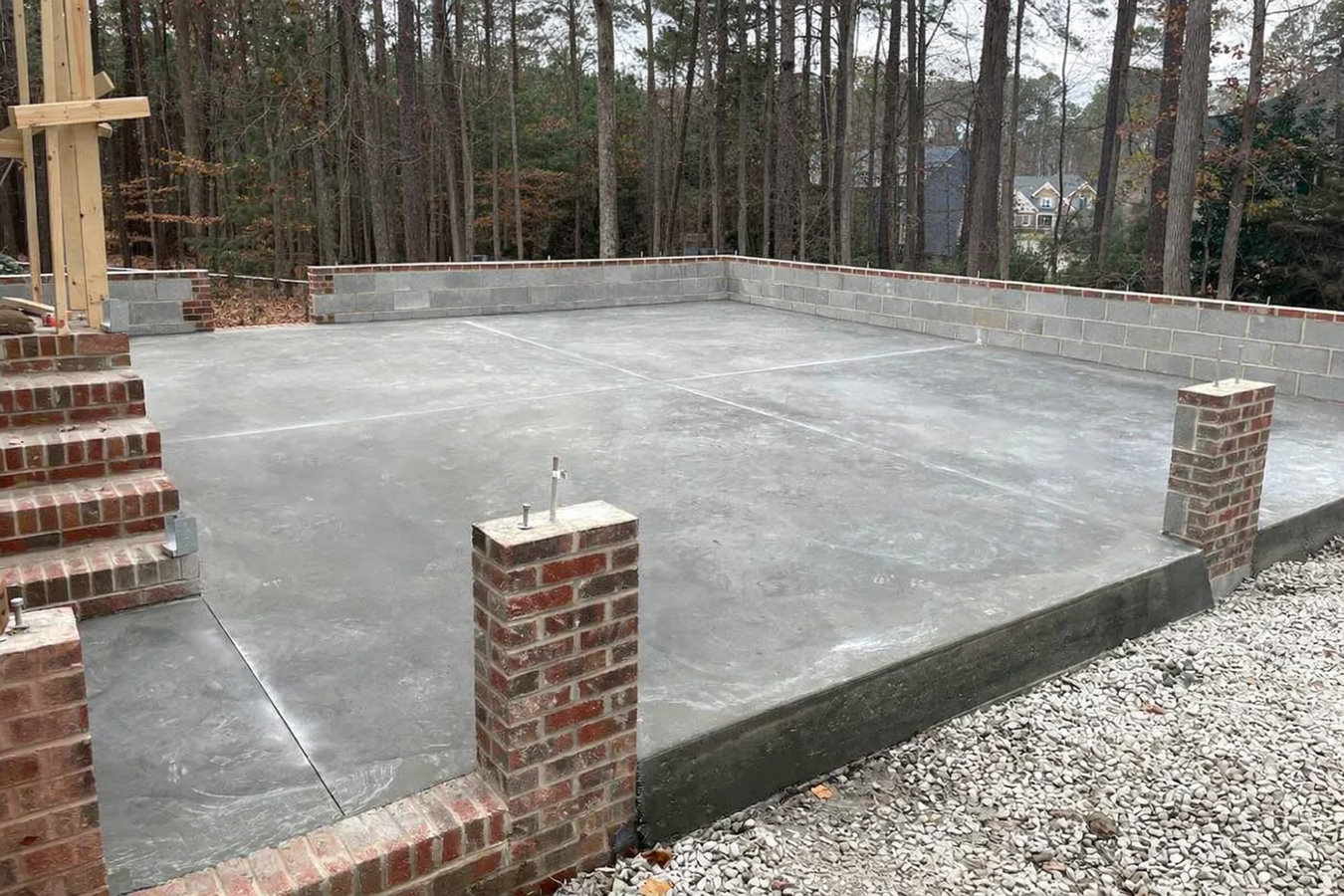
Slab foundation building in Redwood City means pouring a reinforced concrete base directly on prepared ground - it becomes both the floor and the structural base of your structure at once, and most residential slab projects run two to five days of active construction before a cure period of roughly 28 days.
If you are adding a new home, garage, ADU, or workshop to your property, a properly built slab is the step everything else depends on. In Redwood City, where a large share of new concrete work is tied to ADU construction, the slab is often the piece that determines whether a project stays on schedule or falls behind. Clay soils in this area require more preparation than most - a concrete contractor who skips or rushes the base work is setting up problems you will not notice until years later.
For projects that also need perimeter support or isolated structural load points, our concrete footings service is often combined with slab work to meet current building requirements for the structure above. We coordinate both scopes so you are dealing with one contractor, one permit process, and one schedule.
If you are adding a new home, garage, ADU, or workshop, you need a slab foundation before framing can begin. In Redwood City, where ADU construction has been one of the more active permit categories in recent years, this is the most common reason homeowners are calling concrete contractors today. There is no existing foundation to repair - the job is to build a new one correctly from the start.
Small hairline cracks are normal and usually harmless. But cracks wider than a quarter of an inch, diagonal cracks running from corners, or cracks where one side sits higher than the other are signs the slab is moving unevenly. In Redwood City's clay-heavy soils, this kind of movement is more common than in areas with more stable ground - especially after a dry summer followed by heavy winter rains.
When a slab shifts, the walls above shift with it - and one of the first signs is interior doors that stick or no longer latch, or windows that are suddenly hard to open and close. If you notice this happening in multiple rooms at the same time, it is worth having a concrete contractor assess the slab. In older Redwood City homes built on clay soils, this symptom often appears after a particularly wet winter or a prolonged dry spell.
If you are tearing down an old garage, shed, or outbuilding and replacing it with something new, the old foundation may not be suitable - it may be built to older standards, have deteriorated, or be undersized for the new structure. A fresh slab built to current standards gives you a clean start and ensures the new structure is properly supported from day one.
Every slab project starts with a site visit and a written estimate that breaks down every line item - site prep, gravel base, vapor barrier, steel reinforcement, permit fees, pour, and finishing. We handle the City of Redwood City permit application and schedule both required city inspections so that work never stalls waiting on paperwork. Before a single form goes in, we assess soil conditions and grade the site to account for the seasonal movement common in Bay Area clay soils.
For new construction that also requires perimeter or point-load support, our foundation installation service covers a broader scope including raised foundations and crawl space structures when the project calls for it. And when a slab project involves additional structural load points around the perimeter, we integrate concrete footings into the same project scope so everything goes in together and passes inspection as one job.
Best for new home builds, ADU construction, and garages or workshops being built from the ground up on a prepared lot.
Suited to Redwood City homeowners adding a secondary unit - same permit process as a primary residence, handled by a contractor familiar with the city's ADU approval requirements.
For homeowners replacing an old, cracked, or unpermitted slab under a garage or outbuilding with a new pour built to current standards.
Designed specifically for the Bay Area's seismic zone requirements - steel reinforcement and engineering details that meet California's earthquake standards and pass city inspections.
Redwood City sits in one of the more demanding markets for foundation work in the country. The city's older housing stock - a large share of homes here were built between the 1940s and 1970s - means many lots have existing structures on foundations that predate modern seismic and soil standards. At the same time, Redwood City has been one of the more active Bay Area cities for ADU approvals, which has driven a steady demand for new slab pours on established residential lots. Clay soil throughout the flatland neighborhoods east of El Camino Real expands and contracts with every rainy season, which means base preparation here is not optional - it is the difference between a slab that lasts and one that cracks within a few years. For homeowners in East Palo Alto and surrounding Peninsula communities, the same soil and seismic conditions apply, and we handle slab foundation projects across that area as well.
The permit and inspection process through Redwood City's Community Development Department adds accountability that benefits you as the homeowner. City inspectors check the steel and forms before the pour and review the finished slab before sign-off. That independent verification is worth the timeline - it means you have documentation you can show a future buyer, a lender, or an insurance company. Homeowners in San Carlos go through a similar permit process and we work regularly with that city's building department as well. Scheduling your project in the dry season - April through October - is always the better choice, since concrete should not be poured on saturated ground, and Redwood City's rainy season can run November through March.
We respond within one business day and ask a few questions about your project - what you are building, roughly how large the slab needs to be, and whether you have already spoken to the city. We schedule a site visit before giving you a written quote, because soil conditions and lot access both affect the price.
During the site visit we measure, assess the soil, and identify any utilities or access issues. We then file the permit application with Redwood City's Community Development Department. Permit processing for a straightforward residential slab typically takes one to three weeks - we track it so you do not have to.
Once the permit is approved, the crew grades the ground, excavates to the required depth, lays the gravel base, installs vapor barrier, and places the steel reinforcement. A city inspector visits to check the steel and forms before any concrete is poured - we coordinate that inspection as part of our process.
The pour itself typically takes four to eight hours for a standard residential slab. The concrete needs 24 to 48 hours before foot traffic and about a week before framing begins. A second city inspection happens after the slab cures. Once it passes, we hand you the signed permit card and any documentation you need for your records.
Free on-site estimate. We handle permits and both city inspections. No obligation to book.
(650) 587-4237We work with the clay-heavy soils common across Redwood City's flatland neighborhoods every week. That familiarity shapes how we prepare a base, how thick we recommend a slab, and what we look for when a soil report flags high plasticity. A contractor without Peninsula-specific experience will build to a generic standard that may not hold up through even one wet season.
We file the permit application, coordinate both required city inspections, and hand you the signed permit card when the job is closed out. You get documentation you can show a future buyer or insurance company - proof the work was done to code, not just done. The California Contractors State License Board lets you verify any contractor's active license and insurance before you sign anything.
Every slab we pour in Redwood City includes the steel reinforcement and connection details required by California's building code for this seismic zone. We do not treat earthquake requirements as a line-item upgrade. Living close to the San Andreas and Hayward faults means your slab needs to flex with the ground, and we build that into the design from the start.
A significant share of our slab work in Redwood City is tied to ADU construction. We know what the city's planning and building departments require, how to stage the work around an active household, and what surprises to look for on lots where an existing structure is being replaced. For ADU owners, that experience keeps the project on schedule rather than stalled at the foundation step.
Every one of these points comes back to the same thing: a slab foundation is the part of your project that gets buried under everything else, which means it has to be right the first time. That is how we approach every pour in Redwood City.
Full foundation installation services in Redwood City covering slab, raised, and crawl space foundations for new builds and major structural projects.
Learn MoreConcrete footings in Redwood City that support perimeter walls and isolated load points - often poured alongside a new slab on the same permit.
Learn MorePermit season books up fast - call now to lock in your start date before the summer construction rush.